
The intricate dance of containing wildfires in Los Angeles, a region perpetually vulnerable to nature’s fury, hinges on a critical metric: the containment percentage. This figure, far more than a mere statistic, is a dynamic indicator that dictates resource allocation, strategic decision-making, and ultimately, the fate of communities and ecosystems. Understanding how this percentage is calculated, the factors that influence it, and its far-reaching consequences is paramount for anyone seeking to grasp the complexities of wildfire management in this unique urban-wildland interface.
This exploration delves into the methodologies used to determine containment, the challenges firefighters face, and the innovative techniques employed to combat the blazes. We’ll examine the interplay of terrain, weather, and vegetation, and how these elements impact fire behavior and containment success. Furthermore, the analysis will extend to the environmental, health, and economic ramifications of these wildfires, offering a comprehensive view of the long-term implications.
What factors contribute to the reported Los Angeles fires containment percentage and how are they measured in detail?
The containment percentage of wildfires in Los Angeles County is a critical metric used by fire officials and the public to understand the progress of firefighting efforts. It represents the proportion of a fire’s perimeter that has been secured, preventing further spread. This percentage is not static; it evolves as firefighters make progress and as the fire’s behavior changes. Accurate measurement and reporting are essential for resource allocation, public safety, and informed decision-making.
Methodologies for Calculating Containment Percentages
The calculation of a wildfire’s containment percentage involves a systematic process of defining and updating the fire’s perimeter. This process relies on various tools and techniques to accurately assess the fire’s boundaries.
- Defining the Perimeter: The fire perimeter is the outer edge of the burned or burning area. Initial perimeters are often established using GPS data from ground crews, aerial observations, and satellite imagery. The perimeter is the foundation for calculating containment.
- Regular Updates: The perimeter is continuously updated throughout the fire’s duration. This is crucial as the fire’s size and shape change. Updates are based on ongoing assessments by fire crews and technology.
- Mapping Technologies: Modern mapping tools, including Geographic Information Systems (GIS), are used to create and maintain digital fire perimeters. GIS allows for precise spatial analysis and visualization of the fire’s progress.
- Containment Definition: Containment means that a fire line, such as a firebreak or natural barrier, has been established around a portion of the fire, and it is reasonably certain that the fire will not escape the line.
- Percentage Calculation: The containment percentage is determined by calculating the length of the contained fire line and dividing it by the total perimeter length.
Containment Percentage = (Contained Perimeter Length / Total Perimeter Length) * 100
- Data Validation: Fire officials validate the data through on-the-ground inspections and cross-referencing information from different sources to ensure accuracy. This validation step is crucial for reliable reporting.
Data Collection Process
The collection of data for calculating containment percentages involves a coordinated effort by various agencies and personnel, each playing a specific role in gathering and processing information. This collaborative approach ensures comprehensive and reliable data.
- Initial Assessment Teams: When a fire is reported, the first responders, often including local fire departments and the Los Angeles County Fire Department, assess the situation. They gather initial data, including the fire’s location, size, and behavior.
- Incident Command System (ICS): As the incident grows, an Incident Command System is established. The ICS provides a standardized structure for managing the fire, involving multiple agencies.
- Mapping Unit: Within the ICS, a dedicated mapping unit is responsible for creating and updating the fire perimeter. This unit uses GPS data, aerial reconnaissance, and satellite imagery to map the fire’s boundaries.
- Ground Crews: Firefighters on the ground provide crucial data, including the location of fire lines, hotspots, and areas where containment has been achieved. Their on-the-ground observations are essential for accurate mapping.
- Air Operations: Helicopters and fixed-wing aircraft are used for aerial reconnaissance. They provide real-time information about the fire’s behavior, hotspots, and progress of fire lines.
- Data Integration: All collected data is integrated into a GIS system, which allows for the creation of a comprehensive map of the fire. The system provides real-time updates of the fire’s perimeter and containment status.
- Public Information Officer (PIO): The PIO is responsible for disseminating information to the public, including the containment percentage. The PIO works closely with the mapping unit to ensure accurate and timely information is shared.
Impact of Terrain, Weather, and Fuel Types
Terrain, weather conditions, and fuel types significantly influence firefighting efforts and, consequently, the containment percentage. These factors create both challenges and opportunities for firefighters.
Terrain: Steep slopes and canyons can make it difficult to access the fire and establish fire lines. Access is often limited to helicopters and specialized crews. Fire behavior can be unpredictable, with fire spreading rapidly uphill. Flat areas are easier to navigate, allowing for faster containment progress.
Weather Conditions: High winds can quickly spread the fire, making containment extremely challenging. High temperatures and low humidity increase fire intensity and rate of spread. Changes in wind direction can lead to flare-ups in seemingly contained areas. Favorable conditions, such as light winds and higher humidity, can slow the fire’s progress and assist containment efforts.
Fuel Types: The type and density of vegetation affect fire behavior. Dense chaparral, common in Los Angeles County, burns intensely and spreads rapidly. Dry grass and brush provide abundant fuel, leading to quick fire spread. Areas with sparse vegetation or recently burned areas are easier to contain.
Here is a comparison table:
| Factor | Challenges | Impact on Containment |
|---|---|---|
| Terrain | Steep slopes, inaccessible areas | Slower progress, more resources needed |
| Weather | High winds, low humidity, high temperatures | Rapid fire spread, containment setbacks |
| Fuel Types | Dense vegetation, dry fuels | Intense fire behavior, increased spread |
How does the containment percentage of a Los Angeles fire influence resource allocation, and what strategic decisions are made based on this figure?
The containment percentage of a wildfire in Los Angeles is a critical metric, acting as a compass for resource allocation and strategic decision-making. It provides a dynamic snapshot of the fire’s behavior, directly influencing how firefighting efforts are prioritized and executed. This figure is not merely a statistic; it’s a driving force that shapes the deployment of personnel, equipment, and strategic planning, all geared towards protecting lives, property, and the environment.
Resource Allocation Based on Containment Percentage
The containment percentage dictates the allocation of firefighting resources in a dynamic and adaptive manner. As the containment figure changes, so too do the strategies employed to combat the blaze. The initial stages, often characterized by rapid fire spread and minimal containment, demand a surge of resources, while later stages, marked by higher containment levels, allow for a shift in focus and a gradual reduction in certain resources.
- Initial Stages (Low Containment): When containment is low, typically below 20%, the focus is on aggressive fire suppression. This requires a significant influx of resources:
- Personnel: A large number of firefighters, including ground crews, hand crews, and specialized teams like hotshot crews, are deployed to directly attack the fire’s perimeter.
- Equipment: Bulldozers, water tenders, engines, and other heavy equipment are utilized to create firebreaks and suppress flames. Aircraft, such as helicopters and air tankers, are heavily utilized for water and retardant drops.
- Strategic Focus: The primary goal is to establish control lines and prevent the fire from spreading further. The incident commander will prioritize areas with high values at risk, such as residential communities or critical infrastructure.
- Intermediate Stages (Mid-Range Containment): As containment increases, often reaching 40-70%, the focus shifts to consolidating control lines and mopping up hotspots.
- Personnel: The overall number of firefighters may be reduced slightly, but crews are still needed to patrol fire lines, extinguish embers, and ensure the fire doesn’t breach the containment lines.
- Equipment: The need for heavy equipment decreases, but some resources remain to patrol fire lines and address any flare-ups. Aircraft use may be scaled back but still remain available for rapid response.
- Strategic Focus: The incident commander will concentrate on reinforcing containment lines, eliminating remaining threats, and preparing for potential flare-ups. The emphasis is on ensuring that the fire doesn’t escape.
- Later Stages (High Containment): When containment reaches 80% or higher, the focus shifts to monitoring, patrol, and demobilization.
- Personnel: The number of firefighters is significantly reduced, with only a skeleton crew remaining for monitoring and patrol.
- Equipment: Heavy equipment is typically demobilized, with only a few resources remaining for potential hotspots or flare-ups. Aircraft may be on standby but are used infrequently.
- Strategic Focus: The incident commander focuses on ensuring the fire is completely extinguished, identifying any remaining threats, and beginning the demobilization process. The focus is on preventing any reignition.
Strategic Decisions of the Incident Commander
The incident commander (IC) relies heavily on the containment percentage to make critical strategic decisions. The IC assesses the fire’s behavior, risk factors, and available resources to formulate the best course of action.
Decision-Making Framework: The IC uses the containment percentage, alongside other factors like weather forecasts, fuel conditions, and values at risk, to guide decisions.
The containment percentage acts as a critical factor in the following:
- Setting Priorities: Low containment leads to prioritizing life safety and structure protection. High containment allows for a shift to mop-up operations and resource demobilization.
- Modifying Tactics: Low containment often requires direct attack strategies. As containment increases, tactics shift to indirect attack, reinforcing fire lines, and controlling hotspots.
- Resource Allocation Adjustments: The IC constantly adjusts resource allocation based on the containment progress. Increases in containment allow for a reduction in resources, while decreases necessitate a rapid augmentation of resources.
- Community Communication: The containment percentage is a crucial piece of information shared with the public, helping them understand the fire’s status and adjust their actions accordingly.
Scenario: Containment and Community Safety
The containment percentage directly impacts evacuation orders and community safety measures. The severity of the orders and the measures taken are closely tied to the level of containment achieved.
- Scenario 1: Low Containment (0-20%): The fire is rapidly spreading. Evacuation orders are widespread, covering a large area. The focus is on immediate evacuation of residents. Law enforcement and emergency services personnel are actively involved in assisting evacuations and traffic control.
- Scenario 2: Moderate Containment (40-60%): The fire’s spread has slowed. Evacuation orders might be reduced, allowing some residents to return. However, areas close to the fire perimeter might still remain under evacuation orders. Firefighters and emergency personnel are focused on securing the fire lines.
- Scenario 3: High Containment (80-100%): The fire is largely under control. Evacuation orders are lifted, and residents can return home. Firefighters transition to mop-up operations, ensuring the fire is completely extinguished. The focus shifts to damage assessment and recovery efforts.
What are the common challenges encountered by firefighters in achieving higher containment percentages during Los Angeles wildfires, and how are these challenges addressed?

Wildfires in Los Angeles County present a formidable challenge to firefighters, often testing the limits of their resources and expertise. Achieving high containment percentages requires overcoming a complex array of obstacles, from unpredictable weather patterns to the rugged terrain of the region. Understanding these challenges and the strategies employed to mitigate them is crucial for effective wildfire management.
Frequent Obstacles to Containment
Firefighters face numerous hurdles when battling Los Angeles wildfires. These challenges significantly impact the ability to establish and maintain containment lines, leading to prolonged fire durations and increased potential for damage. The most common obstacles include:
- Wind-Driven Flames: Santa Ana winds, known for their high speeds and erratic behavior, can rapidly spread flames, pushing them across containment lines and creating new fire fronts. These winds can change direction unexpectedly, complicating firefighting efforts.
- Spotting: Embers carried by wind can ignite new fires far from the main fire front, known as spotting. This phenomenon can overwhelm containment efforts by creating multiple points of ignition and extending the fire perimeter.
- Limited Access: The mountainous terrain and dense vegetation common in Los Angeles County often restrict access for firefighters and equipment. Narrow roads, steep slopes, and the presence of power lines can further complicate operations, slowing down response times and hindering the deployment of resources.
- Extreme Heat: High temperatures, particularly during the summer and fall, can exacerbate fire behavior, increasing the rate of spread and making it more difficult for firefighters to work effectively. Heat exhaustion and other heat-related illnesses can also impact firefighter safety and productivity.
- Dense Vegetation: Chaparral, grasslands, and forests provide ample fuel for wildfires, allowing them to burn intensely and spread rapidly. This dense vegetation can also obscure fire behavior, making it difficult for firefighters to anticipate changes in fire intensity and direction.
Innovative Firefighting Techniques and Technologies
To overcome these challenges, firefighters employ a range of innovative techniques and technologies designed to improve containment efforts. These advancements help to mitigate the impact of adverse conditions and increase the effectiveness of firefighting operations.
- Advanced Predictive Modeling: Utilizing sophisticated computer models, such as the Weather Research and Forecasting (WRF) model, firefighters can predict fire behavior, including spread rates, direction, and intensity, based on real-time weather data and fuel conditions. This allows for proactive resource allocation and strategic planning. For example, during the 2018 Woolsey Fire, these models were crucial in anticipating the fire’s movement and deploying resources to protect critical infrastructure.
- Aerial Firefighting: Helicopters and fixed-wing aircraft play a vital role in wildfire suppression. Helicopters are used to drop water or fire retardant on flames, slowing their progress and creating containment lines. Fixed-wing aircraft, such as the Lockheed C-130 Hercules, are often used to drop large volumes of retardant over extensive areas. These aerial resources are particularly effective in inaccessible areas and during periods of high fire activity.
- Unmanned Aerial Systems (UAS) or Drones: Drones equipped with thermal imaging cameras and high-resolution sensors provide firefighters with real-time information about fire behavior, including hot spots, fire intensity, and the location of spot fires. This information allows for more informed decision-making and efficient resource deployment. During the 2020 Bobcat Fire, drones were used extensively to monitor the fire’s perimeter and identify areas of concern.
- Improved Fire Retardants: The development of more effective and environmentally friendly fire retardants has enhanced firefighting capabilities. These retardants, which are typically composed of water, fertilizer, and a red dye, slow the spread of fire by creating a barrier that prevents the combustion of fuels.
- Wildland Fire Engines: Specially designed fire engines with high ground clearance, four-wheel drive, and water tanks capable of holding several hundred gallons are vital for navigating challenging terrain. These engines can often access areas where larger fire trucks cannot, allowing firefighters to establish and maintain containment lines in remote locations.
Interagency Cooperation and Communication
Effective containment efforts in Los Angeles County depend heavily on strong interagency cooperation and communication. Wildfires often span multiple jurisdictions, necessitating a coordinated response involving federal, state, and local agencies.
- Unified Command: A unified command structure, where representatives from different agencies work together to manage the incident, is crucial for coordinating resources and ensuring a unified response. This structure facilitates information sharing, decision-making, and resource allocation.
- Incident Command System (ICS): The Incident Command System (ICS) is a standardized management system used by all agencies involved in wildfire response. ICS provides a framework for organizing resources, establishing clear lines of authority, and ensuring effective communication.
- Mutual Aid Agreements: Mutual aid agreements between agencies allow for the rapid deployment of resources across jurisdictional boundaries. These agreements ensure that firefighters and equipment can be mobilized quickly to respond to wildfires, regardless of their location.
- Real-time Data Sharing: The use of shared databases and communication platforms enables agencies to exchange critical information in real-time. This includes information about fire behavior, weather conditions, resource availability, and the location of spot fires.
The following table illustrates the roles of various agencies in wildfire management:
| Agency | Primary Role | Examples of Responsibilities |
|---|---|---|
| Los Angeles County Fire Department (LACoFD) | Lead agency for wildfires within the county | Fire suppression, incident command, resource management |
| United States Forest Service (USFS) | Manages wildfires on national forest lands | Fire suppression, fuels management, resource allocation |
| California Department of Forestry and Fire Protection (CAL FIRE) | Provides statewide fire protection and emergency services | Fire suppression, resource mobilization, fire prevention |
| Local Police Departments | Provide traffic control, evacuation support, and security | Road closures, evacuation orders, crowd control |
| National Weather Service (NWS) | Provides weather forecasts and fire weather warnings | Weather monitoring, fire behavior prediction, advisory issuance |
How do different types of vegetation and fuel loads in Los Angeles County impact fire containment percentages, and what mitigation strategies are employed?
The diverse landscape of Los Angeles County, from coastal scrub to mountain forests, presents a complex challenge for fire containment efforts. The type and density of vegetation, along with the accumulation of dead plant material (fuel load), significantly influence fire behavior. Understanding these factors is crucial for predicting fire spread, allocating resources effectively, and implementing successful mitigation strategies. This section examines the relationship between vegetation, fuel, and containment, alongside the preventative measures taken to reduce fire risk.
Vegetation Types and Flammability
The flammability of vegetation varies considerably depending on its species, moisture content, and density. This directly affects the rate at which a fire spreads and the difficulty of containment.
- Chaparral: This dominant vegetation type, characterized by dense, shrubby plants like chamise and manzanita, is highly flammable. Its high oil content and dense growth allow for rapid fire spread, especially during Santa Ana wind events. A mature chaparral stand can contain a significant fuel load, contributing to intense fires that are difficult to contain. Fires in chaparral often exhibit “crowning,” where flames climb into the canopy, accelerating spread and making suppression efforts more challenging.
- Grasslands: Grasslands, common in lower elevations, dry out quickly during the summer months, becoming highly flammable. Fires in grasslands spread rapidly, fueled by the fine, continuous fuels. While grassland fires may initially spread quickly, they often burn with less intensity than chaparral fires, potentially aiding in containment if resources are deployed swiftly.
- Forests: Forested areas, including oak woodlands and conifer forests, present a more varied fire behavior. The flammability depends on the species, density, and health of the trees, as well as the accumulation of dead leaves, branches, and other debris on the forest floor. Fires in forests can burn intensely, especially in areas with high fuel loads from dead trees or underbrush, making containment difficult. The presence of a closed canopy can also contribute to the spread of fire.
Fuel Management Strategies
Managing fuel loads is a proactive approach to reduce fire intensity and improve containment outcomes. Several strategies are employed in Los Angeles County.
- Prescribed Burns: Controlled burns are conducted during periods of low fire risk to reduce the amount of flammable vegetation. By intentionally setting fires under specific weather conditions, firefighters can remove fuel, creating firebreaks and reducing the intensity of future wildfires. These burns are carefully planned and monitored to ensure they stay within designated areas.
- Vegetation Clearing: Creating defensible space around structures and along roads is another key strategy. This involves removing vegetation to create a buffer zone, reducing the likelihood of a fire reaching homes and other infrastructure. This can include clearing brush, trimming trees, and removing dead vegetation.
- Mechanical Fuel Reduction: In some areas, mechanical methods such as mastication (using heavy equipment to grind vegetation) are employed to reduce fuel loads. This approach can be particularly effective in areas where prescribed burns are not feasible.
An example of successful fuel management is the implementation of prescribed burns in the Angeles National Forest. These burns have helped to reduce the intensity of wildfires, making them easier to contain and reducing the risk to communities. Another example is the clearing of vegetation along the Angeles Crest Highway, which provides a critical firebreak and improves access for firefighters.
Topography’s Influence on Fire Behavior and Containment
The complex topography of Los Angeles County, with its canyons, steep slopes, and varied aspects, significantly impacts fire behavior and the effectiveness of containment efforts.
- Canyons: Canyons can act as natural chimneys, channeling wind and accelerating fire spread. Fires in canyons often burn with increased intensity, making containment more difficult. The confined nature of canyons also poses challenges for firefighter access and evacuation.
- Slopes: Fires burn uphill more rapidly than downhill. The steeper the slope, the faster the fire spreads. This is because the flames preheat the vegetation ahead, allowing the fire to move more quickly. Containment efforts on steep slopes require more resources and strategic planning.
- Aspect: The direction a slope faces (its aspect) influences the amount of sunlight it receives and the resulting moisture content of the vegetation. South-facing slopes, which receive more direct sunlight, tend to be drier and more prone to fire spread than north-facing slopes. This affects the rate of fire spread and the intensity of the flames.
Consider the 2018 Woolsey Fire. The fire’s rapid spread was significantly influenced by the Santa Ana winds, the presence of dense chaparral, and the steep terrain of the Santa Monica Mountains. The canyons acted as wind tunnels, accelerating the fire’s advance, and the slopes aided in its upward movement, making containment extremely difficult. The incident underscores the importance of understanding the combined effects of vegetation, fuel loads, and topography in predicting and managing wildfires in Los Angeles County.
What are the long-term implications of fire containment percentages on the environment and the local communities surrounding Los Angeles, and what are the ongoing effects?
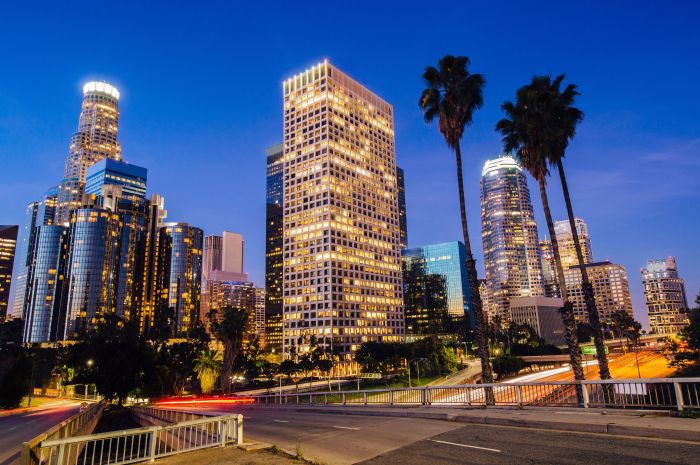
The containment percentage of wildfires in Los Angeles has profound and lasting consequences, shaping the environment and impacting the well-being of local communities for years to come. While successful containment minimizes immediate damage, the long-term effects are interwoven with ecological recovery, public health, and economic stability. Understanding these implications is crucial for informed decision-making and proactive measures to mitigate the enduring impact of these events.
Environmental Impacts of Wildfires
Wildfires, regardless of containment success, leave an indelible mark on the environment. The intensity and duration of the fire, influenced by factors like fuel load and weather conditions, directly correlate with the severity of environmental damage. Containment efforts, while aimed at limiting the fire’s spread, can only partially mitigate these long-term consequences.
* Soil Erosion: Fire destroys vegetation, removing the protective cover that holds soil in place. This increases the risk of soil erosion, particularly during periods of rainfall. Eroded soil can wash into streams and rivers, leading to water quality degradation and habitat loss for aquatic species.
The absence of vegetation cover after a fire can lead to erosion rates that are significantly higher than pre-fire levels.
For instance, following the 2018 Woolsey Fire in Southern California, significant erosion was observed in the burn areas, contributing to increased sedimentation in local waterways and affecting the Santa Monica Mountains’ ecosystems.
* Water Contamination: Wildfires can contaminate water sources in several ways. Ash and debris from burned vegetation can enter water systems, altering water chemistry and harming aquatic life. The heat from fires can also damage water infrastructure, such as pipelines and reservoirs, leading to further contamination.
Wildfire can release heavy metals and other pollutants into water supplies, exceeding safe drinking water standards.
The Thomas Fire of 2017-2018 in Ventura and Santa Barbara counties resulted in increased levels of various pollutants in the water supply, including manganese and iron, necessitating water quality advisories and treatment measures.
* Habitat Loss and Fragmentation: Wildfires destroy habitats, impacting plant and animal populations. The loss of vegetation cover reduces food sources and shelter, forcing animals to relocate or face starvation. Containment efforts, while crucial in protecting unburned areas, cannot fully prevent habitat loss within the fire perimeter. The resulting habitat fragmentation can isolate populations, making them more vulnerable to disease and genetic bottlenecks.
The severity of habitat loss depends on the fire’s intensity and the ecosystem’s resilience.
The Station Fire of 2009, one of the largest wildfires in Los Angeles County history, significantly impacted the habitat of the endangered California condor and other species in the Angeles National Forest, contributing to long-term population declines.
Health Effects of Wildfire Smoke on Local Communities
Wildfire smoke poses a significant threat to public health, especially for vulnerable populations such as children, the elderly, and individuals with respiratory conditions. The containment percentage of a fire influences the duration and intensity of smoke exposure, with higher containment rates generally leading to shorter periods of exposure and reduced health risks.
To protect residents, several measures are commonly implemented:
| Measure | Description |
| :—————————————— | :—————————————————————————————————————————————————————————————————————————————————————————————————————————————— |
| Air Quality Monitoring | Real-time monitoring of air quality is conducted using monitoring stations throughout the region. This data is used to inform public health advisories and provide information to residents. |
| Public Health Advisories | Public health officials issue advisories and warnings when air quality reaches unhealthy levels. These advisories recommend that residents limit outdoor activities, especially during periods of high smoke concentration. |
| Shelter-in-Place Recommendations | Residents are advised to stay indoors with windows and doors closed to minimize smoke exposure. Air purifiers and filtration systems are often recommended to further reduce indoor air pollution. |
| Distribution of Masks | Free N95 masks are distributed to residents to provide a higher level of protection against particulate matter in the smoke. These masks filter out many of the harmful particles that can cause respiratory problems. |
| Emergency Medical Services Preparedness | Healthcare facilities and emergency medical services are prepared for an increase in patients experiencing respiratory distress. This includes ensuring adequate staffing, equipment, and supplies. Hospitals often implement protocols to manage patients affected by smoke exposure. |
| Communication and Education | Public health agencies and local authorities communicate with the public through various channels, including websites, social media, and news outlets. Educational materials are provided to inform residents about the health risks of wildfire smoke and how to protect themselves. |
The effectiveness of these measures depends on several factors, including the accuracy of air quality monitoring, the public’s adherence to health recommendations, and the availability of resources. For example, during the 2020 Bobcat Fire, air quality in parts of Los Angeles County reached unhealthy levels for several weeks, prompting extended public health advisories and increased demand for N95 masks.
Economic Consequences of Wildfires
The economic repercussions of wildfires are extensive, encompassing property damage, insurance claims, and the cost of firefighting operations. The containment percentage of a fire is directly related to the extent of these economic impacts; higher containment rates often translate to reduced costs.
* Property Damage: Wildfires can cause significant damage to homes, businesses, and infrastructure. The extent of property damage depends on the fire’s intensity, the location of structures in relation to the fire, and the effectiveness of firefighting efforts.
Property damage costs can range from a few thousand dollars to millions, depending on the scale of the fire.
The 2018 Woolsey Fire destroyed over 1,600 structures, resulting in estimated property damage costs exceeding $1.6 billion. The fire’s spread was exacerbated by strong winds, underscoring the challenges of containment in extreme weather conditions.
* Insurance Claims: Wildfires trigger a surge in insurance claims as property owners seek compensation for damages. Insurance companies face increased payouts, potentially leading to higher premiums and stricter underwriting standards in high-risk areas.
The volume and value of insurance claims can strain insurance companies and impact the availability of coverage.
Following the 2017 Thomas Fire, insurance claims reached over $1 billion, significantly impacting the insurance market in the affected areas. This prompted discussions about wildfire risk assessment and mitigation strategies to reduce future claims.
* Cost of Firefighting Operations: Firefighting operations are expensive, involving personnel, equipment, aircraft, and other resources. The longer a fire burns and the more area it covers, the higher the cost of containment.
The cost of fighting a wildfire can range from hundreds of thousands to millions of dollars per day.
The 2020 Bobcat Fire, which burned for several months and consumed over 115,000 acres, cost over $120 million to contain. This figure highlights the substantial financial burden that wildfires place on government agencies and taxpayers.
Final Wrap-Up

In conclusion, the LA fires containment percentage is not merely a number; it’s a testament to the ongoing struggle against the destructive power of wildfires. From the meticulous calculation of perimeters to the deployment of cutting-edge firefighting technologies, every aspect of wildfire management is intertwined with this crucial metric. By understanding the factors that influence containment, the challenges faced by firefighters, and the long-term consequences of these events, we can strive for more effective strategies to protect lives, property, and the environment in the face of an ever-present threat.
