
Transform your balcony into a tranquil oasis with a Japanese plant aesthetic. Drawing inspiration from centuries-old Zen gardens, this style emphasizes minimalism, natural forms, and the beauty of seasonal changes. Imagine lush ferns cascading down trellises, miniature bonsai trees sculpted to perfection, and the gentle rustle of bamboo in the breeze. This guide provides a comprehensive approach to creating a harmonious and visually stunning balcony garden.
This comprehensive guide explores the principles of Japanese gardening, from plant selection and arrangement to lighting and seasonal considerations. It delves into maximizing space and incorporating water features, providing detailed instructions for every stage of the project. From the meticulous arrangement of plants to the careful selection of materials, this guide promises a transformative experience for your outdoor sanctuary.
Introduction to Japanese Plant Aesthetic
Japanese gardening, a deeply rooted tradition, emphasizes harmony with nature and a minimalist approach. This aesthetic, deeply intertwined with Zen Buddhist philosophy, prioritizes natural forms, seasonal changes, and the creation of tranquil spaces. The principles of this style translate beautifully into balcony gardening, offering a unique way to cultivate beauty and serenity in a compact urban environment.The core philosophy of Japanese gardening, drawing heavily from Zen Buddhism, focuses on achieving a sense of peace and contemplation through the appreciation of simplicity and natural beauty.
This pursuit of serenity manifests in the careful selection and arrangement of plants, emphasizing their natural forms and seasonal variations.
Key Principles of Japanese Gardening
The essence of Japanese gardening lies in its principles of minimalism, natural forms, and the integration of seasonal plants. These elements work together to create a tranquil and immersive experience, reflecting the beauty of the natural world.
- Minimalism: Japanese gardens prioritize simplicity and restraint, avoiding clutter and excess. Emphasis is placed on the essential elements, allowing nature to take center stage. This principle translates directly to balcony gardening by encouraging the selection of a few carefully chosen plants that complement each other rather than competing for space.
- Natural Forms: The focus is on replicating the natural forms of mountains, water, and rocks. This organic approach creates a sense of depth and allows the viewer to experience the natural world in a miniature setting. In balcony gardens, this means selecting plants with flowing forms, incorporating natural elements like rocks and gravel, and creating a sense of continuity with the surrounding environment.
For example, consider using a cascading fern or a weeping willow to mimic natural elements.
- Seasonal Plants: The beauty of Japanese gardens is amplified by the use of seasonal plants. This reflects the ever-changing nature of the seasons and the ephemeral beauty of life. This can be readily implemented in balcony gardens by choosing plants that bloom at different times, ensuring visual interest throughout the year. Planting cherry blossoms for spring, or autumn leaves for fall will create a dynamic space.
Zen Influence on the Aesthetic
The principles of Zen Buddhism are deeply embedded in Japanese gardens, emphasizing meditation and mindfulness. The tranquility of the space encourages contemplation and a connection with the natural world.Zen gardens, particularly, exemplify this concept. The careful arrangement of rocks, sand, and plants creates a sense of stillness and serenity, inviting the viewer to reflect on the beauty of simplicity.
This can be reflected in balcony gardens by using simple, minimalist arrangements, choosing plants that create a sense of calm, and avoiding unnecessary clutter.
Prominent Features in Japanese Gardens
Several key elements contribute to the aesthetic appeal of Japanese gardens.
- Rocks and Stones: Rocks and stones often represent mountains and islands, adding depth and visual interest to the garden. The selection and placement of these elements are crucial in creating a sense of balance and harmony.
- Water Features: Water features, such as small ponds or streams, symbolize the flow of life and the cycle of nature. These elements can create a soothing atmosphere and add a sense of tranquility to the space. Consider a small fountain or a shallow water dish for a balcony garden.
- Gravel and Sand: Gravel and sand are used to create a sense of space and texture, echoing the natural landscape. They can also represent water or plains, contributing to the overall aesthetic of the garden.
Translating Principles to Balcony Gardening
The principles of Japanese gardening translate seamlessly to balcony spaces, allowing for the creation of serene and beautiful outdoor retreats.
- Reduced Scale: Balcony gardens require a scaled-down approach to incorporate the principles of Japanese aesthetics. Select plants that fit the available space and create a sense of balance and harmony.
- Creative Use of Space: Employ vertical gardening techniques, such as hanging planters or trellises, to maximize space and create visual interest. For example, cascading plants can simulate natural waterfalls.
- Minimalist Palette: Choose plants with a limited color palette to maintain a sense of serenity and focus. The use of a few carefully selected colors will allow the natural forms and textures of the plants to shine.
Plant Selection for a Japanese-Inspired Balcony
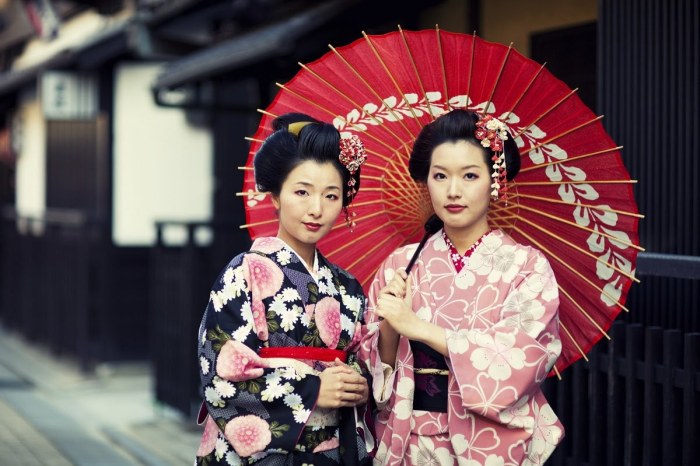
Cultivating a Japanese-inspired balcony transcends mere decoration; it’s about creating a serene and aesthetically pleasing space that embodies the minimalist principles of Japanese design. This involves careful consideration of plant selection, mirroring the delicate balance and natural beauty found in traditional Japanese gardens. The right plants can transform a balcony into a tranquil retreat, inviting introspection and harmony with nature.Choosing the right plants is crucial for achieving the desired Japanese aesthetic.
The selection should reflect the principles of natural harmony and simplicity, echoing the minimalist ethos of Japanese gardens. Plants should be chosen not only for their visual appeal but also for their ability to thrive in the specific conditions of the balcony, whether it’s limited sunlight or space constraints.
Small Trees for a Miniature Forest
Small trees are an essential element in a Japanese-inspired balcony garden, bringing a touch of verticality and scale to the space. These miniature trees, often carefully pruned and shaped, are key to evoking a sense of serenity and tranquility. Japanese maples, known for their vibrant fall foliage, are a popular choice. Their small stature makes them suitable for balcony spaces, while their striking colors add a seasonal touch.
Other suitable choices include the Japanese zelkova, prized for its delicate branches and graceful form. Consider the mature size of the tree and ensure it aligns with the available balcony space to avoid overcrowding.
Flowering Shrubs: A Symphony of Colors
Flowering shrubs offer a burst of color and fragrance, adding a dynamic element to the balcony’s seasonal beauty. The Japanese flowering quince, with its delicate blooms, is a perfect example. Its fragrant blossoms and compact size make it suitable for balconies. Consider flowering shrubs with small, delicate flowers, echoing the refined aesthetic of Japanese gardens. The selection should prioritize flowering plants that complement the overall color palette and create a visually balanced space.
Shrubs with varied bloom times can ensure a constant display of color throughout the season.
Ferns and Grasses: The Elegance of Nature
Ferns and grasses add a touch of understated elegance to a Japanese-inspired balcony, bringing a sense of natural movement and texture. Japanese painted ferns, with their delicate fronds, are excellent choices. Their soft texture contrasts beautifully with the harder lines of other plants. Varieties of Japanese forest grasses, like Hakonechloa macra, with their intricate patterns and graceful swaying, create a sense of tranquility.
These plants require less direct sunlight and prefer moisture-retaining soil.
Seasonal Flowers: A Touch of Transience
Seasonal flowers are vital for bringing a touch of impermanence and beauty to the balcony, mirroring the changing seasons in nature. Japanese anemones, with their delicate petals, are perfect for spring or early summer. Their graceful form and soft colors are in perfect harmony with the minimalist aesthetic. Choose seasonal flowers that reflect the beauty of each season, and remember that their fleeting presence adds to the overall charm.
This can include delicate blossoms that accentuate the Japanese garden style.
Bonsai Trees: Miniature Masterpieces
Bonsai trees are integral to the Japanese aesthetic, representing miniature landscapes in miniature containers. The intricate art of bonsai involves shaping and pruning trees to create miniature versions of full-grown trees. Their meticulous artistry, symbolic of patience and mindfulness, aligns perfectly with the overall spirit of the balcony design. Consider varieties that suit the available light conditions and space, and maintain regular pruning to preserve the bonsai’s form and health.
Ensure that the bonsai pots are visually compatible with the overall aesthetic of the balcony.
Arrangement and Design Principles
A Japanese-inspired balcony transcends mere practicality; it embodies a philosophy of serenity and harmony. Careful arrangement of plants and materials is crucial to achieving this aesthetic, reflecting the principles of balance, asymmetry, and the deep connection with nature. The design should evoke a sense of tranquility and encourage contemplation, not just visual appeal.
Balance and Asymmetry
Japanese aesthetics prioritize a sense of balance, often achieved through asymmetry. This principle, known asshibui*, encourages a natural, unforced harmony. A perfectly symmetrical balcony, while visually pleasing in some contexts, can lack the dynamic interplay of nature. Instead, carefully consider how elements like rocks, plants, and water features can be strategically placed to create a sense of equilibrium without rigid symmetry.
The focal point should be subtly emphasized, drawing the eye to a particular area while maintaining the overall balance. This subtle, dynamic imbalance creates visual interest and aligns with the essence of Japanese design.
Natural Materials
The use of natural materials is fundamental to the Japanese plant aesthetic. Wood, stone, and bamboo, each with unique textures and tones, contribute significantly to the overall ambiance. Wood, whether in the form of a simple planter or a meticulously crafted trellis, brings warmth and a sense of grounded connection to nature. Stone, with its varied colors and forms, adds a touch of rustic elegance and durability, mimicking the natural landscape.
Bamboo, with its graceful and slender form, lends a touch of lightness and fluidity to the design, drawing the eye upward and evoking a feeling of serene movement. Using these materials emphasizes the natural beauty of the surrounding environment, drawing inspiration from the landscape.
Water Features in a Small Space
Integrating water features in a small balcony space can be challenging, but the effect is often profoundly rewarding. A small, cascading water feature, a meticulously sculpted rock basin, or even a simple ceramic bowl filled with water and a few aquatic plants can create a tranquil atmosphere. The gentle sounds of trickling water can reduce stress and enhance the sense of serenity.
A water feature, in its essence, adds a layer of dynamic visual interest and a refreshing auditory dimension, making the space feel more connected to the natural world.
Visual Representation of Design
| Plant Type | Placement | Visual Impact |
|---|---|---|
| Dwarf Japanese Maple | Center of the balcony, near a small rock garden | Provides a focal point, emphasizing the beauty of subtle asymmetry and texture |
| Bamboo | Used as a screen or trellis, flanking the water feature | Creates a natural barrier, visually dividing areas and adding a touch of grace and fluidity |
| Fern | Placed within the rock garden, along the edge of the water feature | Provides lush green contrast to the rocks and water, emphasizing the natural transition between elements |
| Low-growing Hostas | Planted in groups around the base of the Japanese maple | Adds ground cover, creating a soft, flowing texture and emphasizing the layering effect |
| Moss | Cultivated in small, dedicated areas of the balcony | Creates a sense of ancient woodland, adding depth and grounding to the scene |
Lighting and Atmosphere Creation

Crafting a Japanese-inspired balcony transcends mere plant arrangement; it’s about cultivating a serene atmosphere. Strategic lighting plays a crucial role in achieving this, transforming the space from ordinary to a tranquil haven. The interplay of light and shadow, carefully orchestrated, can highlight the beauty of the plants and establish a harmonious ambiance.Proper lighting not only enhances the visual appeal of the plants but also influences the mood and atmosphere of the balcony.
This delicate balance of illumination is essential for fostering a space that resonates with the serene aesthetic of Japanese gardens. By employing various lighting techniques, the balcony can become a haven of tranquility, inviting relaxation and appreciation for the natural beauty of the flora.
Illuminating the Aesthetic
Effective lighting design is paramount in showcasing the nuances of a Japanese-inspired balcony. It’s about more than just illuminating the plants; it’s about guiding the eye and creating depth within the space. Ambient lighting sets the overall tone, while strategically placed spotlights accentuate individual plants and their unique characteristics. The right lighting creates an atmosphere that invites contemplation and fosters a sense of tranquility.
String Lights and Lanterns: Calming Ambiance
String lights and lanterns, often crafted from natural materials like bamboo or paper, are instrumental in creating a calming atmosphere. Their soft, diffused glow mimics the gentle light of dawn or dusk, fostering a serene ambiance that echoes the principles of Japanese aesthetics. Warm-toned string lights, hung strategically around the balcony, create a visually inviting space that encourages relaxation and contemplation.
The gentle glow of lanterns, placed near water features or focal points, adds a touch of magical allure to the scene. These ambient light sources provide a warm and inviting atmosphere, perfectly complementing the elegance of the plants.
Ambient and Spot Lighting: Visual Depth
Ambient lighting, such as softly glowing LED strips or warm-toned floodlights, sets the overall mood, creating a gentle and inviting atmosphere. This base layer of light provides a backdrop for the more focused lighting techniques. Spotlights, strategically placed, are crucial for highlighting specific plants, emphasizing their textures, shapes, and colors. These directed beams of light draw the viewer’s eye to specific details, adding depth and visual interest to the arrangement.
The interplay of light and shadow, expertly crafted with spotlights, enhances the overall visual appeal and creates a dynamic interplay within the balcony space.
Lighting Design Table
| Lighting Type | Placement | Atmosphere Enhancement |
|---|---|---|
| String Lights (warm-toned) | Draped along railings, nestled among plants | Creates a calming, inviting atmosphere, mimicking soft natural light. |
| Lanterns (natural materials) | Near focal points, water features, or statues | Adds a touch of magic and visual interest, evoking a sense of tranquility. |
| Ambient Lighting (LED strips, warm-toned floodlights) | Distributed evenly across the balcony | Sets the overall mood, providing a gentle, inviting backdrop. |
| Spotlights (focused beams) | Directed at specific plants or focal points | Highlights textures, shapes, and colors of plants, adding visual depth and interest. |
Incorporating Seasonal Changes
Breathing life into a Japanese-inspired balcony requires a dynamic approach, shifting with the rhythms of the year. Simply replicating a spring display throughout the summer won’t capture the essence of seasonal beauty. A successful design embraces the ephemeral nature of blooms and foliage, showcasing the subtle transformations of each season. This involves thoughtful planning and strategic choices in plant selection, arrangement, and lighting.Seasonal transitions are crucial for maintaining visual appeal and reflecting the natural world’s ever-changing palette.
Adapting the balcony’s aesthetic to each season creates a continuous spectacle, echoing the passage of time and the beauty of the changing landscape. This dynamic approach fosters a sense of place and connection to the natural world, transforming the balcony into a microcosm of the surrounding environment.
Planning for Seasonal Plant Changes
Effective seasonal transitions begin with a detailed plan. Understanding the growth cycles and flowering periods of each plant is essential. Researching plant hardiness zones and local weather patterns helps in selecting plants that thrive in the specific climate. This foresight prevents surprises and ensures the plants remain healthy and vibrant throughout the year. A seasonal calendar outlining planting times, expected bloom periods, and potential issues is valuable.
Incorporating Seasonal Flowers and Foliage
Spring brings a profusion of delicate blooms, from cherry blossoms to azaleas. These ephemeral beauties, with their vibrant hues and soft textures, evoke a sense of renewal and hope. Summer offers a different palette, with lush foliage, vibrant flowers, and the opportunity to showcase plants that flourish in the heat. Fall presents an opportunity to incorporate the fiery reds, oranges, and yellows of autumn foliage, creating a stunning display that reflects the changing light and atmosphere.
Winter’s stark beauty is captured through the use of bare branches, creating a sense of serenity and tranquility.
Using Seasonal Elements for Visual Appeal
Fall leaves, collected and arranged in decorative containers or baskets, can add warmth and depth to a winter balcony. The crisp, muted colors of fall foliage contrast beautifully with the deep greens and browns of the evergreen shrubs. Winter branches, strategically placed, provide a structural element and a natural frame for the space, evoking a sense of calm and tranquility.
The careful selection of these elements creates a continuous visual story throughout the year.
Seasonal Color Harmony
A harmonious aesthetic is maintained through the intentional use of color. The balcony’s color palette should transition organically between seasons, reflecting the shifting tones of the natural world. For example, the soft pastels of spring blossoms blend seamlessly into the richer hues of summer foliage. The fiery reds and oranges of fall leaves create a warm and inviting ambiance, while the muted grays and whites of winter branches create a sense of calm.
Maintaining a consistent color scheme throughout the year, albeit with seasonal variations, creates a cohesive and visually engaging display.
Balcony Space Optimization
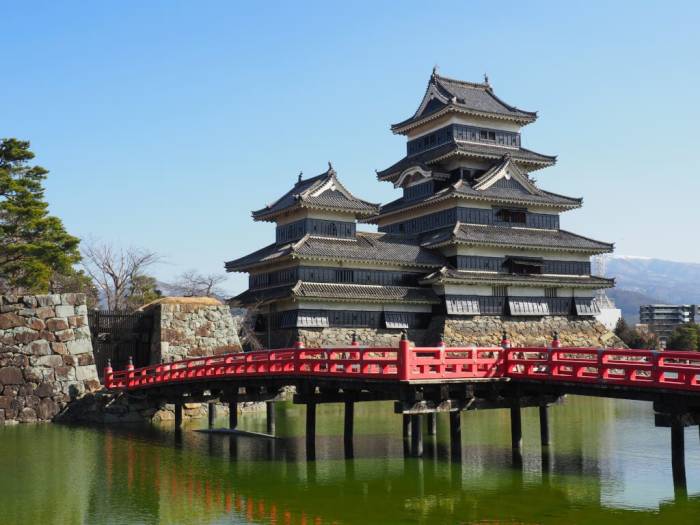
Maximizing a balcony’s potential for a Japanese plant aesthetic requires strategic planning and creative use of vertical and horizontal space. A well-designed balcony can seamlessly integrate a wide variety of plants and decorative elements, enhancing the serene ambiance. The key lies in optimizing every inch for visual appeal and plant health.Optimizing balcony space involves careful selection of plants and containers, utilizing vertical gardening techniques, and strategically arranging elements to create a balanced and harmonious environment.
The right approach will result in a flourishing and aesthetically pleasing balcony garden that reflects the principles of Japanese design.
Vertical Gardening Techniques
Vertical gardening is crucial for maximizing a balcony’s limited space. This approach allows for a greater variety of plants while maintaining an organized and visually appealing design. Utilizing hanging baskets, trellises, and wall-mounted planters is key to effectively maximizing vertical space. These techniques can showcase various plant types, including cascading vines, trailing succulents, and smaller shrubs.
- Hanging Baskets: Hanging baskets are versatile and visually appealing, offering space for a variety of plants, including cascading vines and flowering plants. They are ideal for adding visual interest and creating a sense of depth in a compact balcony space.
- Trellises and Vertical Supports: Climbing plants can be supported by trellises, creating vertical displays and adding a sense of height and texture. This method allows for the growth of plants that would otherwise need extensive horizontal space.
- Wall-Mounted Planters: Wall-mounted planters can be integrated seamlessly into the balcony’s design, maximizing vertical space and providing attractive displays for smaller plants or herbs.
Raised Beds and Containers
Raised beds and containers offer multiple advantages for balcony gardening. They provide a controlled environment for plant growth, allowing for improved drainage and soil quality. Proper selection of containers and raised beds will contribute to a visually appealing and healthy garden.
- Raised Beds: Raised beds provide a structured planting area, facilitating better drainage and soil management. They are particularly helpful for plants that require specific soil compositions or have drainage issues.
- Containers: Using various sizes and shapes of containers allows for the creation of unique and visually interesting displays. Different container materials, like terracotta or wood, can contribute to the overall aesthetic.
Space Optimization Methods
Efficient use of space is crucial for a thriving Japanese plant aesthetic balcony. The choice of method depends on the size of the balcony and the specific needs of the plants.
| Space Optimization Method | Advantages | Disadvantages |
|---|---|---|
| Hanging Baskets | Maximize vertical space, create visual interest, accommodate various plants. | Can be prone to drying out quickly, potentially limit plant size. |
| Trellises/Vertical Supports | Support climbing plants, increase verticality, enhance visual appeal. | May require more maintenance, space for the structure. |
| Raised Beds | Improved drainage, better soil management, customizable planting areas. | Can be more expensive to set up than containers, might not fit every balcony size. |
| Containers | Versatile sizes and shapes, aesthetically customizable, suitable for various plants. | Requires careful selection for proper drainage, may not offer the same soil retention as raised beds. |
Materials and Tools
Crafting a serene Japanese-inspired balcony garden requires careful selection of materials that harmonize with the aesthetic. The right tools are essential for cultivating a thriving and visually appealing space. Choosing materials that resonate with the minimalist philosophy of the design is crucial for achieving the intended effect.Proper material selection and skillful use of tools are paramount to a successful Japanese-style balcony garden.
The meticulous attention to detail inherent in this aesthetic extends to the tools and materials used. A harmonious blend of form and function is essential for maintaining a visually pleasing and sustainable environment.
Potting Materials
Selecting the right pots is critical to establishing a cohesive visual theme. Traditional Japanese aesthetics often favor simple, unadorned pottery. The choice of material – glazed ceramic, unglazed terracotta, or even natural materials like wood or stone – greatly influences the overall ambiance. The subtle variations in texture and color of these materials enhance the natural beauty of the plants.
Consider the size and shape of the pots in relation to the plants they will house. Larger, more substantial pots can accommodate larger specimens, while smaller pots can be used to showcase delicate, cascading plants.
Soil and Amendments
High-quality soil is vital for healthy plant growth. A well-draining mix, ideally with compost or other organic amendments, ensures optimal root development and prevents waterlogging. The soil’s texture and color should complement the chosen pots and plants. The incorporation of organic matter enhances drainage and aeration, crucial for the well-being of the plants.
Gardening Tools
Appropriate tools are indispensable for maintaining a thriving garden. Sharp, well-maintained tools are essential for precise pruning and shaping, crucial for achieving the desired aesthetic. For instance, a hand trowel is perfect for transplanting seedlings and preparing the soil. A pair of sharp, sturdy pruning shears is vital for trimming overgrown plants, while a watering can ensures proper hydration.
| Materials | Function | Estimated Cost (USD) |
|---|---|---|
| Ceramic Pots (various sizes) | Container for plants, enhances aesthetic | $10-$50+ |
| Terracotta Pots (various sizes) | Durable, porous containers for plants | $8-$40+ |
| Potting Mix (high-quality) | Supports plant growth, good drainage | $15-$30 |
| Hand Trowel | Precise soil preparation and transplanting | $5-$15 |
| Pruning Shears | Precise trimming and shaping of plants | $10-$30 |
| Watering Can | Efficient watering of plants | $8-$25 |
| Gardening Gloves | Protects hands during gardening | $5-$15 |
Maintenance of Gardening Tools
Proper maintenance of gardening tools is crucial for their longevity and effectiveness. Sharpening shears and pruning tools prevents damage to plants and ensures clean cuts. Cleaning tools after each use prevents the spread of diseases and maintains their optimal function. Regular maintenance of tools also prolongs their useful life. This ensures they remain functional and precise in the years to come.
Maintenance and Care
Cultivating a thriving Japanese-inspired balcony garden requires diligent maintenance. Proper care ensures the longevity of your plants and allows them to flourish in their aesthetically pleasing arrangement. Ignoring upkeep can lead to pest infestations, disease, and ultimately, the demise of your meticulously chosen specimens.Maintaining a healthy and thriving balcony garden hinges on understanding the specific needs of each plant.
This includes appropriate watering, soil management, and proactive pest and disease control. Consistent attention to these elements ensures a beautiful and resilient garden that reflects the enduring spirit of Japanese aesthetics.
Watering Techniques
Effective watering is crucial for the health of your plants. Overwatering can lead to root rot, while underwatering can cause wilting and stunted growth. Understanding the specific needs of each plant species is paramount. Succulents, for example, require less frequent watering than ferns or flowering plants. A crucial consideration is the type of soil used.
Well-draining soil minimizes the risk of waterlogging, which is essential for preventing root rot.
Soil Management
Maintaining the optimal soil composition is vital for plant health. Proper soil management encompasses aspects such as drainage, aeration, and nutrient content. The soil should provide adequate drainage to prevent waterlogging. Consider using a well-draining potting mix or amending existing soil with perlite or vermiculite to improve drainage and aeration. Fertilizing is also an essential aspect of soil management, providing plants with essential nutrients to promote healthy growth.
Regular soil testing can provide insight into the nutritional balance and help tailor fertilization strategies.
Pest and Disease Control
Early detection and proactive measures are critical in preventing pest and disease outbreaks. Regular inspections of plants, particularly for signs of damage or unusual growth, are essential. Common pests and diseases include aphids, spider mites, fungal diseases, and powdery mildew. These issues, if left unchecked, can quickly spread through the entire garden. Early intervention, using natural pest control methods whenever possible, is key to preventing widespread damage.
Using insecticidal soap or neem oil can often provide effective, non-toxic solutions. Identifying the specific pest or disease is the first step towards an effective treatment plan.
Weekly Maintenance Schedule
A structured weekly schedule ensures consistent care and minimizes the risk of neglecting any critical aspect of plant maintenance. This systematic approach helps maintain the aesthetic and health of your balcony garden.
| Day | Task |
|---|---|
| Monday | Inspect plants for pests or diseases. Check soil moisture levels and water as needed, adjusting based on plant type and weather conditions. |
| Tuesday | Remove dead or decaying plant material. Check for signs of stress or damage. |
| Wednesday | Assess soil condition and replenish any necessary nutrients. Perform light pruning, if required, focusing on shaping and maintaining plant structure. |
| Thursday | Examine plants for pests or diseases. Provide appropriate fertilizer or treatments, if necessary. |
| Friday | Inspect plants for overall health. Ensure proper watering and address any issues promptly. |
| Saturday | Clean the balcony area, removing debris and dead leaves. Check for drainage and water flow. |
| Sunday | Relax and enjoy your beautiful Japanese-inspired balcony garden. |
Inspiration and Visual Examples
Cultivating a Japanese-inspired balcony garden transcends mere aesthetics; it’s a journey into tranquility and mindful design. Drawing inspiration from traditional Japanese gardens, these spaces offer a serene retreat, perfectly suited for urban living. Careful selection of plants, thoughtful arrangement, and attention to detail are key to achieving this harmonious blend of nature and culture.
Visual Inspiration Gallery
A collection of images showcasing Japanese-inspired balcony gardens offers valuable insights into the design principles and aesthetic elements involved. Understanding these examples can significantly enhance the design process for creating a truly authentic and captivating space.
| Image | Description | Key Design Features |
|---|---|---|
| A balcony featuring a minimalist, zen-like garden with a small, meticulously crafted rock garden, moss, and a few carefully chosen bonsai trees. A small wooden bench sits nestled amidst the foliage, providing a perfect spot for contemplation. | This image epitomizes the Japanese aesthetic of simplicity and tranquility. The focus is on creating a miniature landscape that evokes a sense of serenity. The interplay of textures, from the smooth stones to the soft moss, is striking. The bonsai trees, with their sculpted forms, add a touch of artistry. | Minimalism, rock garden, moss, bonsai, wooden seating, thoughtful arrangement, focus on texture, tranquility. |
| A balcony draped in cascading greenery, featuring a variety of ferns, bamboo, and flowering vines. A low wooden railing separates the garden from the balcony, allowing for a seamless transition between indoor and outdoor space. | This balcony showcases the emphasis on natural elements in Japanese design. The vertical arrangement of plants creates a sense of depth and lushness. The natural materials, like wood and bamboo, further enhance the connection with nature. The flowing lines of the greenery reflect the principles of natural harmony. | Vertical gardening, cascading greenery, ferns, bamboo, flowering vines, natural materials, vertical arrangement, flowing lines, emphasis on natural elements. |
| A balcony with a small, elevated wooden platform, creating a secluded garden space. A shallow pond with water lilies and a few carefully placed stones is nestled within the platform. A wooden pergola adds a sense of structure and visual interest. | This image exemplifies the use of space optimization and the incorporation of water elements in a Japanese garden. The raised platform creates a defined space, while the pond brings a sense of tranquility and the subtle movement of water. The pergola introduces a framework that organizes the plants and creates a sheltered area. | Elevated platform, pond with water lilies, stones, pergola, space optimization, water elements, sheltered area, defined space. |
| A balcony with a small, meticulously arranged collection of succulents and air plants, mounted in small, handcrafted ceramic pots. The pots are arranged in a staggered pattern, creating visual interest. | This example highlights the use of succulents and air plants, often used in Japanese gardens for their drought tolerance and ability to thrive in limited space. The use of carefully selected ceramic pots in a staggered arrangement provides visual interest. The selection of varied textures and shapes of succulents adds to the overall aesthetic. | Succulents, air plants, ceramic pots, staggered arrangement, varied textures, drought tolerance, limited space, visual interest. |
Outcome Summary
Creating a Japanese-inspired balcony garden is a journey of thoughtful design and meticulous execution. By understanding the core principles of minimalism, natural forms, and seasonal transitions, you can cultivate a serene and visually captivating space. This guide provides a practical roadmap to achieve your dream balcony garden, offering expert advice on plant selection, arrangement, lighting, and maintenance. Embrace the tranquility of Japanese aesthetics and transform your outdoor space into a haven of calm and beauty.
